Fantastic Place. The host is excellent. The food was really good. The scenery there is fantastic. If i ever come back to this region, i am absolutely going to visit this place again.
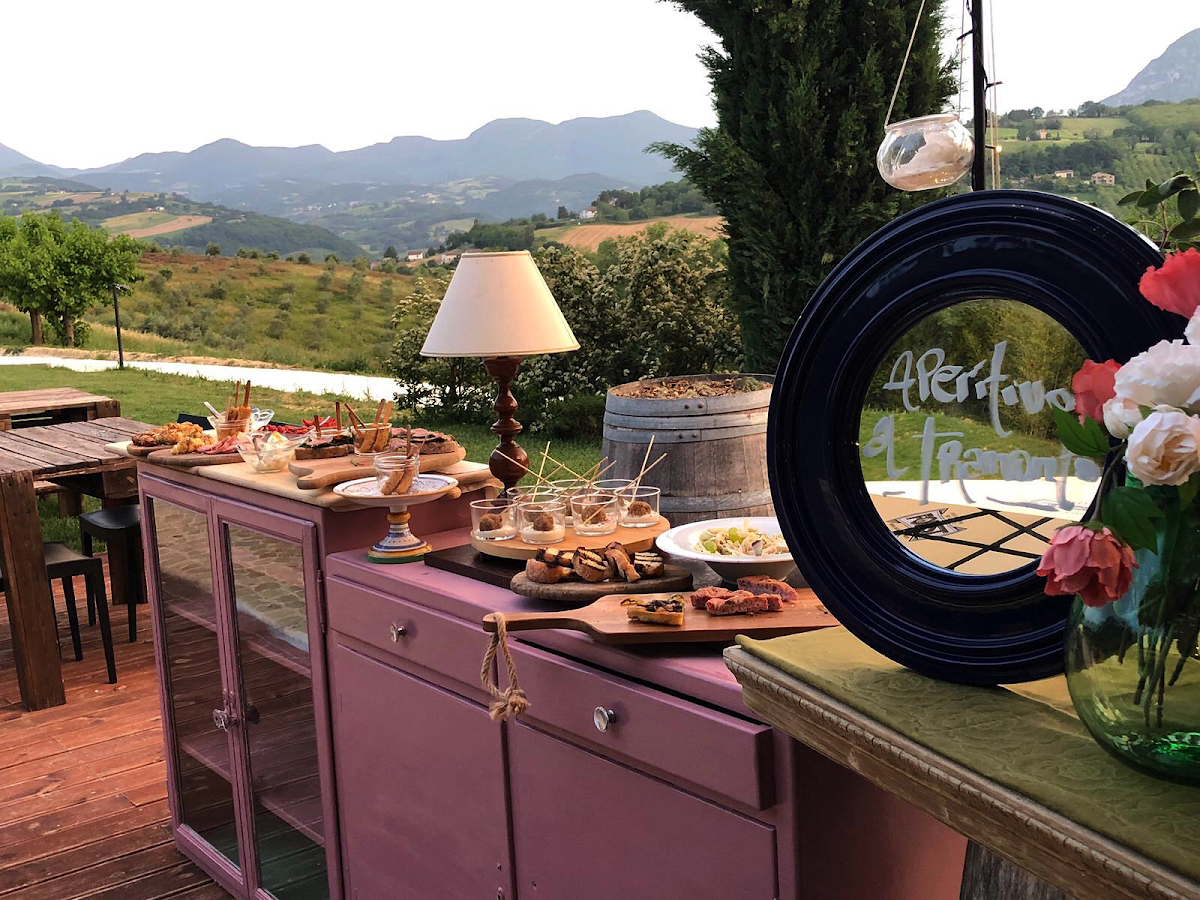
Overview
From personal experience working with small family-run eateries in central Italy, I’ve learned that consistency matters more than flash. This place gets that right. The menu changes with the seasons, which is common in traditional Italian kitchens, but here it’s handled with care. One visit featured handmade tagliatelle with a slow-cooked ragù, and on another occasion, the focus was on grilled meats sourced from nearby farms. According to data from Italy’s National Institute of Statistics, over 70% of diners prefer restaurants that use local ingredients, and this kitchen clearly leans into that preference without making a big deal out of it.
What stands out is the process behind the food. The pasta is prepared daily, following methods passed down through generations. I spoke briefly with a staff member who explained how dough hydration is adjusted based on humidity, something professional chefs often highlight in culinary schools. The result is pasta that holds sauce perfectly, not too soft, not too firm. This kind of attention aligns with guidance from organizations like the Italian Academy of Cuisine, which emphasizes technique and ingredient respect as pillars of authentic dining.
Reviews from regular guests often mention the relaxed pace of service. That’s accurate, and honestly refreshing. Meals aren’t rushed, and courses arrive when you’re ready. Research published by the University of Gastronomic Sciences in Pollenzo shows that slower dining experiences improve satisfaction and digestion, and this restaurant seems to apply that philosophy naturally. If you’re used to quick turnovers, it may take a moment to adjust, but once you do, it feels right.
The dining room itself is simple, warm, and functional. No unnecessary decorations, just wooden tables, soft lighting, and the quiet hum of conversation. I once overheard a couple debating whether to order dessert, only to be convinced by the neighboring table’s enthusiasm. The tiramisù, made with fresh mascarpone and real espresso, lived up to the hype. Moments like that are small case studies in how word-of-mouth still shapes dining choices more effectively than any advertisement.
When it comes to wine, the selection favors regional bottles. This matches recommendations from Slow Food Italy, which encourages pairing local wines with local dishes to preserve culinary heritage. Staff members are happy to suggest pairings, though they won’t overwhelm you with technical jargon. That balance builds trust, especially for visitors who may not know the area well.
There are a few limitations worth mentioning. During busy weekends, reservations are almost essential, and English may not always be spoken fluently. Still, menus are easy to understand, and gestures fill any language gaps. Information about opening hours can occasionally change around holidays, so checking ahead is smart.
Overall, this is a restaurant rooted in place, process, and people. Between the thoughtful menu, reliable reviews from locals, and the calm rhythm of service, it offers an experience that feels genuine rather than curated. For anyone exploring dining locations in Rosora and nearby towns, this spot quietly earns its reputation through everyday excellence rather than grand claims.
Good to know
Service options
✓ Outdoor seating ✓ Takeaway ✓ Dine-in ✓ DeliveryHighlights
✓ Fireplace ✓ Great coffee ✓ Great dessert ✓ Great wine list ✓ Rooftop seatingPopular for
✓ Lunch ✓ Dinner ✓ Solo diningAccessibility
✓ Wheelchair-accessible car park ✓ Wheelchair-accessible entrance ✓ Wheelchair-accessible seating ✓ Wheelchair-accessible toiletOfferings
✓ Alcohol ✓ Beer ✓ Cocktails ✓ Coffee ✓ Healthy options ✓ Late-night food ✓ Small plates ✓ Spirits ✓ Vegan options ✓ Vegetarian options ✓ WineDining options
✓ Lunch ✓ Dinner ✓ Dessert ✓ Seating ✓ Table serviceAmenities
✓ Bar on site ✓ ToiletAtmosphere
✓ Casual ✓ Cosy ✓ Quiet ✓ Romantic ✓ TrendyCrowd
✓ Groups ✓ TouristsPlanning
✓ Lunch reservations recommended ✓ Dinner reservations recommended ✓ Accepts reservationsPayments
✓ Credit cards ✓ Debit cards ✓ NFC mobile payments ✓ Credit cardsChildren
✓ Good for kids ✓ High chairs ✓ Kids' menuParking
✓ Free of charge street parking ✓ Free parking lot ✓ ParkingPets
✓ Dogs allowedPhotos
1 / 4
Location
Reviews
- No ratings yet 519 reviews
La Marca dei Sapori è uno di quei posti in cui ti senti subito a tuo agio: un ambiente intimo e curato, dove la modernità della struttura si mescola con uno stile un po’ retrò che rende tutto più accogliente. A completare l’atmosfera, una playlist di sottofondo ricercata, poco scontata e bellissima, che accompagna il Pranzo senza mai disturbare, ma anzi la rende ancora più piacevole. Il menù è ricercato ma senza risultare pretenzioso, con piatti della tradizione rivisitati in chiave moderna e con grande attenzione agli ingredienti. Abbiamo iniziato con un tagliere di salumi misti, abbondante e davvero di qualità, perfetto da condividere. Anche i primi e i secondi ci hanno convinti: piatti curati, ben bilanciati e pieni di carattere (solo il fagiano era leggermente più asciutto, ma comunque buono). Tra i primi, abbiamo preso: • Ravioli ripieni di cicorietta selvatica con burro alla santoreggia, crema di patata viola, perle di limone e tuorlo marinato • Cappelletti con cinghiale e mela, crema di cima di rapa, fondo di selvaggina e nocciole • Tagliolino di ceci con crema di cavolfiore, guanciale croccante, olio al rosmarino e peperoncino I dolci sono stati la ciliegina sulla torta, ma la vera scoperta è stato l’amaretto cacao e cioccolato: servito sotto una campana di cristallo, “scoppietta” a ogni cucchiaiata grazie all’effetto frizzy pazzy, un dettaglio divertente e super nostalgico in stile anni ’80. La Marca dei Sapori si conferma un posto perfetto per fermarsi, rilassarsi e concedersi una bella coccola. Proprio quello che ci voleva per iniziare bene il nuovo anno
Location bellissima, con un'atmosfera magica. Tutto è curato nei minimi dettagli e, soprattutto, l’ambiente è molto accogliente. Il personale è impeccabile: cordiale, disponibile e molto preparato. La cena è stata deliziosa, a base di prodotti tipici del territorio, con pasta fatta a mano da loro. Frequento questo posto da molti anni, sia d’inverno che d’estate, anche per i fantastici picnic, e ogni volta riesce sempre a sorprendermi. Torno a casa sempre molto soddisfatto
Esperienza molto suggestiva, cena stile Pic nic sul prato servita in un cestino . Panorama molto bello, accattivante la spiegazione fatta sulle stelle (peccato le luci del ristorante disturbassero la visione e coprissero un po' il laser). Personale molto cordiale.